
Mar 4, 2026
Youth Sports: Hydration 101 — Safe Water and Electrolyte Habits for Young Athletes
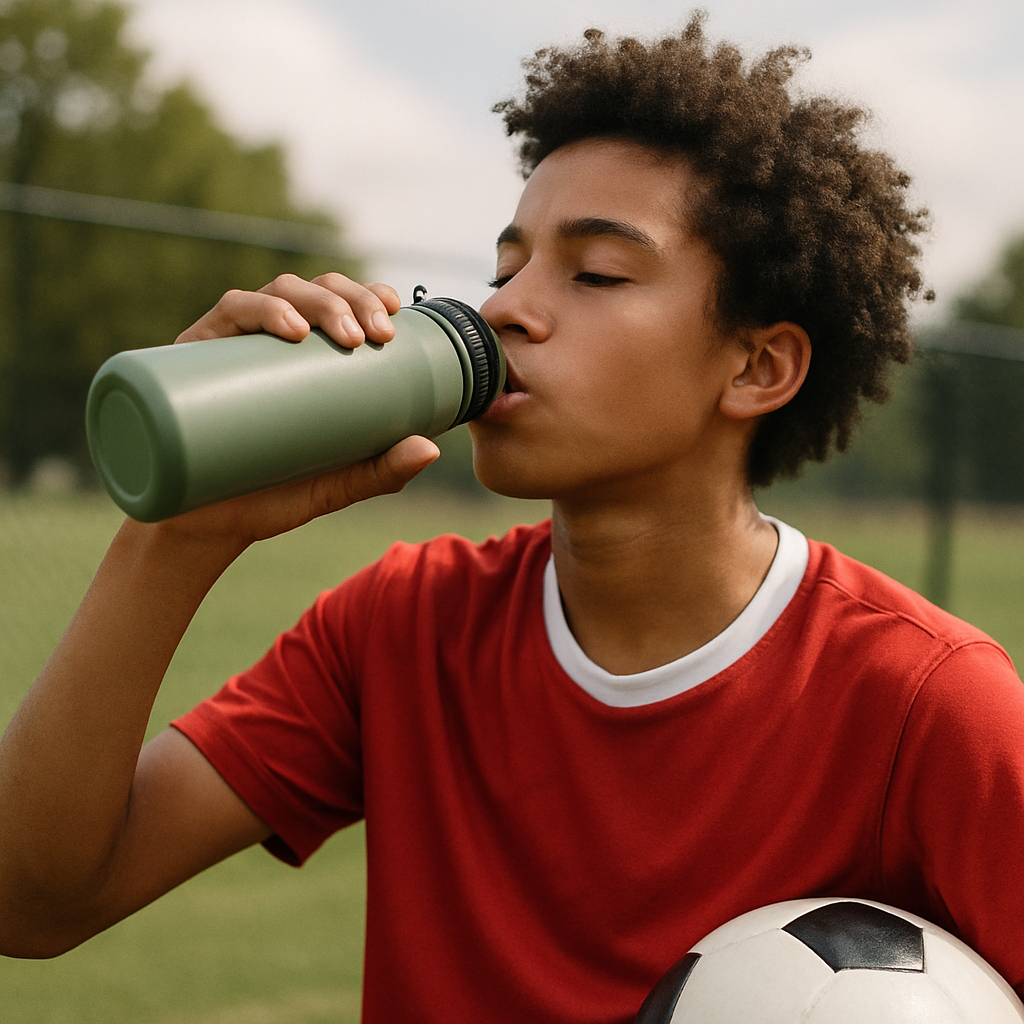
It’s the second half of the game on a hot Saturday afternoon. You see your child slow down, looking tired and flushed. You reminded them to drink water at halftime, but was it enough? For young athletes, the importance of hydration goes far beyond quenching thirst—it’s the foundation for their performance, safety, and even their enjoyment of the game.
The problem is that most advice we get is incomplete. We know water is crucial, but what about sports drinks? And how much is enough? According to sports medicine experts, proper hydration is a plan, not just a single action. It’s about what kids drink before, during, and after they play, which can make the difference between a child finishing the game strong or heading for the bench with a headache.
This guide is a simple playbook for safe water and electrolyte habits, offering an easy-to-follow plan for any sport or season. You’ll learn to spot the early signs of dehydration and gain the confidence that you’re protecting your young athlete’s safety and performance.
Why Water is Still Your Athlete's #1 Teammate
Think of your child’s body like a hard-working engine. As they run, jump, and play, that engine gets hot, and water is the body's natural coolant. It helps carry heat away through sweat, preventing them from overheating. Without enough of it, performance suffers and, more importantly, safety can become a concern. This is why consistent sips of plain water are so crucial for young athletes.
For most youth sports activities—like a typical practice or a game lasting under an hour—water is the best and only drink they need. It effectively rehydrates and cools them down without the added sugar or other ingredients their bodies don't require for shorter bursts of play. While sports drinks have their place, which we'll cover later, water is the undisputed MVP for the vast majority of situations.
Setting your child up for success starts long before the first whistle. Ensuring their "coolant" tank is full when the game starts gives them a safe and energetic edge.

How to Spot the Sneaky Signs of Dehydration in Young Athletes
By the time a young athlete says they’re thirsty, their body is already running low on fuel. The earliest signs of dehydration are subtle and can easily be mistaken for simple end-of-game fatigue. Learning to spot them is one of the most important skills a parent or coach can have for preventing heat illness and keeping kids playing safely.
Knowing what to look for can make all the difference. Think of these signs as a two-stage warning system that tells you when it's time to act.
-
Early Signs ('Time to Drink' Nudge):
-
Dry or sticky mouth
-
Slight thirst
-
Feeling a little tired or sluggish
-
-
Serious Signs ('Stop and Hydrate Now' Alert):
-
Headache or dizziness
-
Muscle cramps
-
Feeling irritable or cranky
-
Dark-colored urine (a great tool is the urine check: pale lemonade is good; apple juice color is bad)
-
If you spot the early signs, it's a simple nudge to take a water break. But if your child shows any of the serious signs, pull them from play immediately to rest, cool down, and rehydrate. When an athlete sweats for a long time, however, they lose more than just water. This loss is why sometimes, water alone isn't quite enough.
The "Spark Plugs" Your Athlete Loses in Sweat: What Are Electrolytes?
That salty taste in sweat is proof that your athlete is losing more than just water. They are also losing essential minerals called electrolytes. Think of these as the tiny “spark plugs” for the body. Without them, messages don't travel properly between the brain and the muscles. The most important of these for a young athlete is sodium, which is simply the mineral component of salt.
Electrolytes have a critical job: they help an athlete’s muscles contract and relax properly. When electrolyte levels get too low from heavy sweating, those internal signals can get scrambled. This is often what causes sudden, painful muscle cramps, feelings of weakness, or a dizzy spell, even if the athlete has been drinking plenty of water.
For a short practice or a game in mild weather, the body doesn't lose enough electrolytes to cause a problem. But during prolonged activity—think tournaments or practices lasting over an hour—the need for electrolyte replacement becomes crucial for safety and performance. This is when simply drinking water isn't enough to fully refuel their system.
The 60-Minute Rule: When to Choose Sports Drinks Over Water
Here’s the simple guideline most sports medicine experts recommend for young athletes: The 60-Minute Rule. For routine practices, games, or general play lasting less than an hour, water is the undisputed champion. It’s all your child needs to rehydrate effectively without adding unnecessary sugar or calories.
When activity pushes past that one-hour mark—or involves continuous, high-intensity effort like a long soccer match—the body's needs change. This is when a sports drink becomes a useful tool. It does two jobs at once: it replaces the electrolytes lost in sweat (like sodium), and it provides a small amount of sugar. This isn't for taste; it's functional. The sugar (carbohydrates) acts as a quick-energy source to refuel hard-working muscles, helping an athlete finish strong instead of fading.
This rule isn’t absolute; you also need to consider the conditions. A 45-minute game on a scorching hot day may warrant a sports drink because your child is sweating more heavily and losing more electrolytes. Use your judgment: the longer and more intense the activity, the more beneficial a sports drink can be.

Your "Before, During, and After" Hydration Game Plan
Knowing whether to pack water or a sports drink is half the battle. The other half is knowing when your athlete should be drinking. Forgetting to hydrate before the game or skipping it afterward can lead to fatigue and poor recovery, even if they drink during the action.
Creating a hydration plan for athletes is simple when you break it down into three phases. For your next game day or long practice, follow this easy schedule:
-
BEFORE: Have your child drink 8 to 16 ounces of water one to two hours before the event. Think of this as topping off the tank so they don’t start at a disadvantage.
-
DURING: Don’t wait for thirst. Encourage small, consistent breaks for fluids every 15-20 minutes. Aim for 4 to 8 ounces (a few big gulps) to maintain their energy and focus.
-
AFTER: The job isn't done at the final whistle. Have them drink 16 to 24 ounces over the next hour to replace what they lost. A great real-world sign of good hydration is when their urine returns to a pale yellow color.
That final step is the one most people forget, but it’s critical. Replenishing fluids after intense activity helps muscles recover, reduces soreness, and prepares your child for the next day of play.
The Hidden Danger: Can a Child Drink Too Much Water?
It seems counterintuitive, but yes. In rare cases, drinking excessive amounts of plain water can create a dangerous condition called "water intoxication." This happens when so much water is consumed in a short period that it dangerously dilutes the body’s essential electrolytes. While it’s far less common than dehydration, it’s a risk every parent and coach should understand, especially during long, hot tournament days.
The challenge with this condition is how its symptoms—nausea, headache, confusion—can be mistaken for severe dehydration. Seeing these signs, a well-meaning adult might push them to drink even more plain water, accidentally making the problem worse. This risk is highest during endurance events where an athlete might be chugging water for hours to "stay ahead" of their thirst.
Fortunately, preventing this issue isn’t about limiting fluids—it's about hydrating smarter. Encourage sipping consistently throughout an event rather than chugging large volumes all at once. This is also why following the "60-minute rule" is so important. By introducing a sports drink during prolonged activity, you’re replenishing the electrolytes that help keep the body’s systems in balance.
What's in Their Bottle? How to Choose Smart and Avoid Sugary Traps
Navigating the drink aisle can be confusing. Sports drinks are specifically formulated with electrolytes and some sugar to refuel athletes during prolonged activity (over 60 minutes). In contrast, energy drinks are a definite red flag; they're loaded with caffeine and other stimulants that are unsafe for young athletes. And those vitamin-enhanced waters? They are often little more than sugary water that lacks the specific electrolyte blend needed for sports rehydration.
The key is to become a quick label-reader. Before you buy, glance at the nutrition panel for these common hydration traps.
Avoid Drinks With:
-
Caffeine: A stimulant that can increase heart rate and has no place in youth hydration.
-
Carbonation: The fizz in soda can cause bloating and stomach discomfort during exercise.
-
High Sugar (over 8%): Drinks this sugary are more like soda and can slow down fluid absorption, sometimes causing cramps.
-
Artificial Sweeteners: These provide no energy for fuel and can cause digestive issues for some kids.
This is also why soda and most fruit juices are poor choices on game day. The carbonation and type of sugar in these drinks can be hard for the body to process during exercise, leading to an upset stomach. If you're concerned about the sugar or cost of commercial options, you can create a safe and effective alternative right in your own kitchen.
The Kitchen Counter Coach: A Simple Homemade Electrolyte Drink
Making your own sports drink is far easier and more affordable than you might think. This simple homemade electrolyte drink for kids gives you full control over the ingredients, ensuring your athlete gets exactly what they need without the high sugar content or artificial additives found in many store-bought options.
This simple formula provides an effective balance for refueling during long games or intense practices. Just mix these ingredients in a water bottle and shake well:
-
2 cups of water
-
1 cup of 100% orange or grape juice
-
1/8 teaspoon of salt
-
1 tablespoon of honey or maple syrup (optional, for extra energy)
Each ingredient here plays a crucial role: the water hydrates, the juice provides natural sugar for energy and potassium, and that tiny pinch of salt is the key to replacing the sodium lost through sweat. If you have a picky drinker, try experimenting with other 100% juices like apple or white grape to find a flavor they love.
Your Hydration Cheat Sheet: 5 Key Rules for Safe, Strong Play
Building a confident hydration plan is simple once you know the rules. By focusing on what your athlete drinks and when, you can move past marketing confusion and ensure they are protected, healthy, and ready to perform their best. Keep these essential guidelines in mind for every practice and game day:
-
Water First: For any activity under 60 minutes, water is king.
-
Know the Signs: Watch for early fatigue and check urine color—pale yellow is the goal.
-
Obey the 60-Minute Rule: For long, hot games, add a sports drink to replace electrolytes.
-
Sip, Don't Chug: Encourage small, frequent sips to develop safe water habits for athletes.
-
Avoid Caffeine & Hype: Stick to water or true sports drinks, not sugary energy drinks.
Following these simple rules gives you peace of mind on the sidelines. More importantly, it helps your young athlete play their best, stay safe, and, above all, have fun.
MORE FROM THE sportoroo Blog

Want Your Club or Youth Sports Event Found Online?
Promote your team or events with Sportoroo and increase your online presence
Sign Up Free